
Kairos AI (project made in Spanish)
An enterprise web platform designed to automate and optimize support ticket management by integrating directly with service desk systems like ServiceNow and Five9.
The Challenge
Support teams struggle with slow response times, disconnected communication channels, and no centralized way to learn from past incidents — creating friction for both end users and technical specialists.
The Goal
Design a platform that reduces friction across the entire support lifecycle — giving end users a fast, multichannel way to get help, while equipping technical teams and operations with the visibility and data they need to resolve issues smarter and faster, with AI and humans working together seamlessly.
My Role
As the Senior UX/UI Designer at Grupo Scanda, I owned the product end-to-end — leading discovery, stakeholder alignment, and the design of the entire platform from concept to launch. I was responsible for defining the user experience for both end users and technical specialists, designing the administrative panel, and building the omnichannel interaction model across WhatsApp, Microsoft Teams, email, and Telegram. Beyond design, I defined the business model that shaped how Kairos AI would be positioned and sold to the company's clients — translating the platform's core value into a commercial proposition that connected operational efficiency with measurable ROI. I worked cross-functionally with product, engineering, and business stakeholders to ensure every design decision was grounded in both user needs and business viability.
The Platform
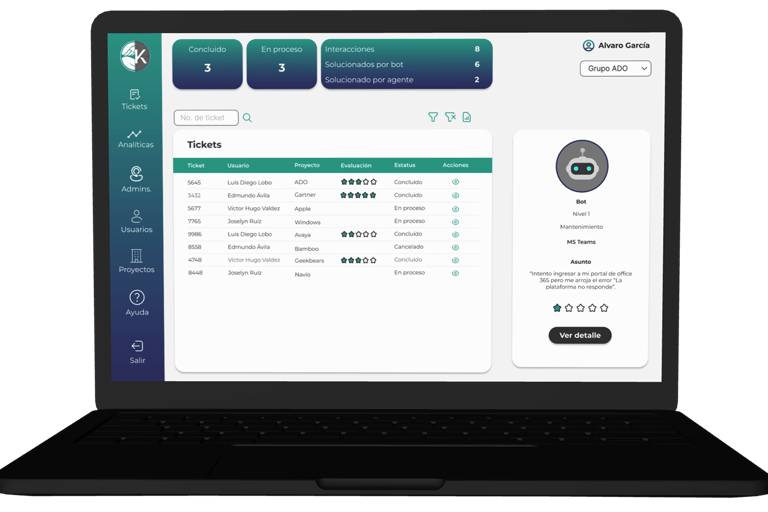
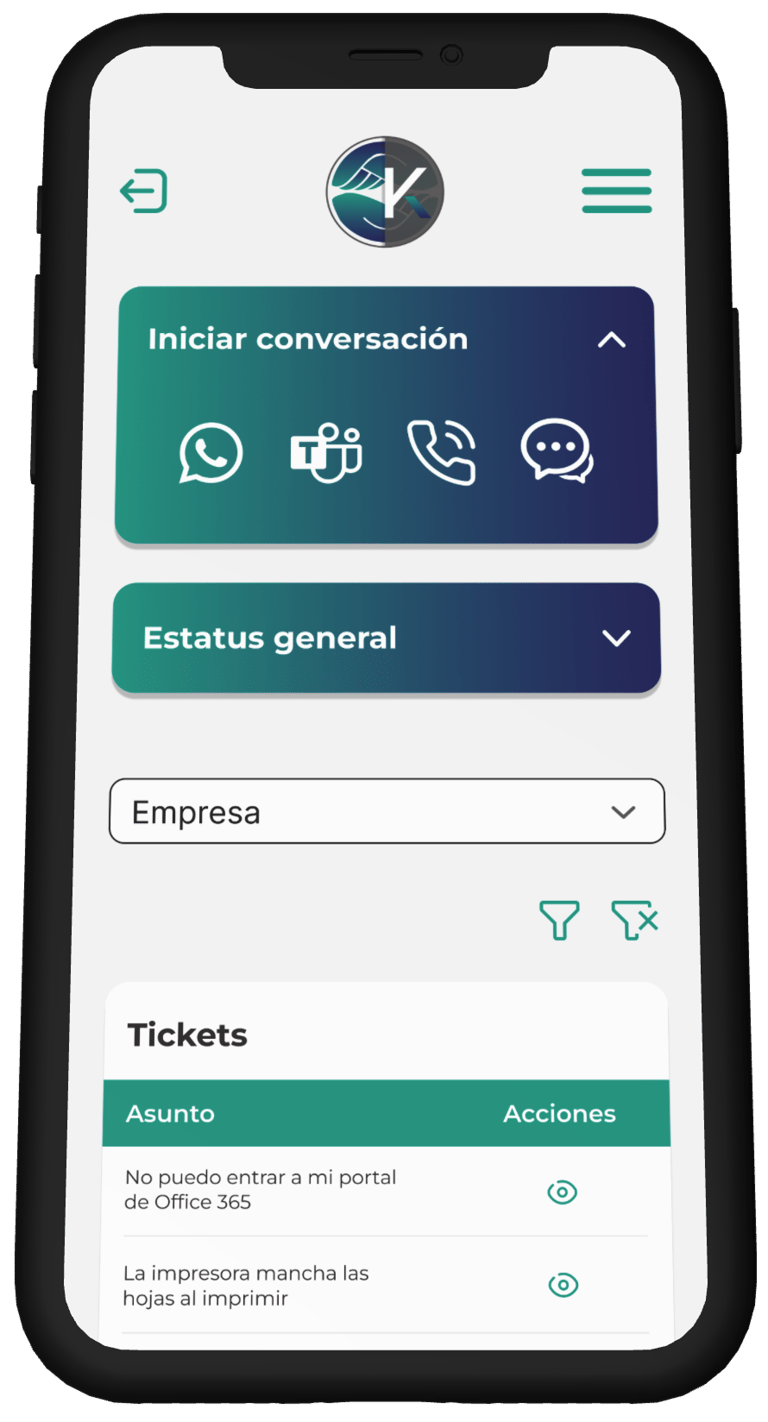
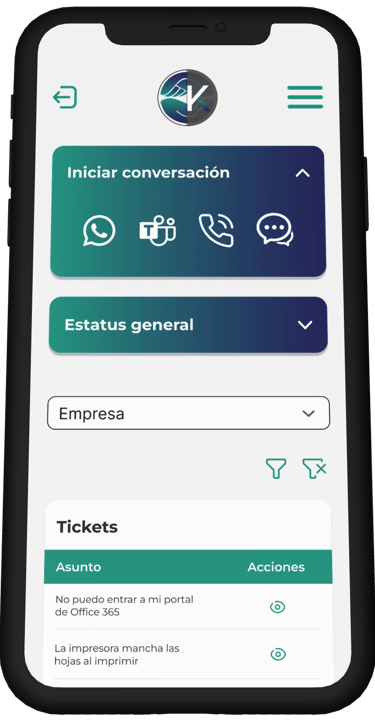
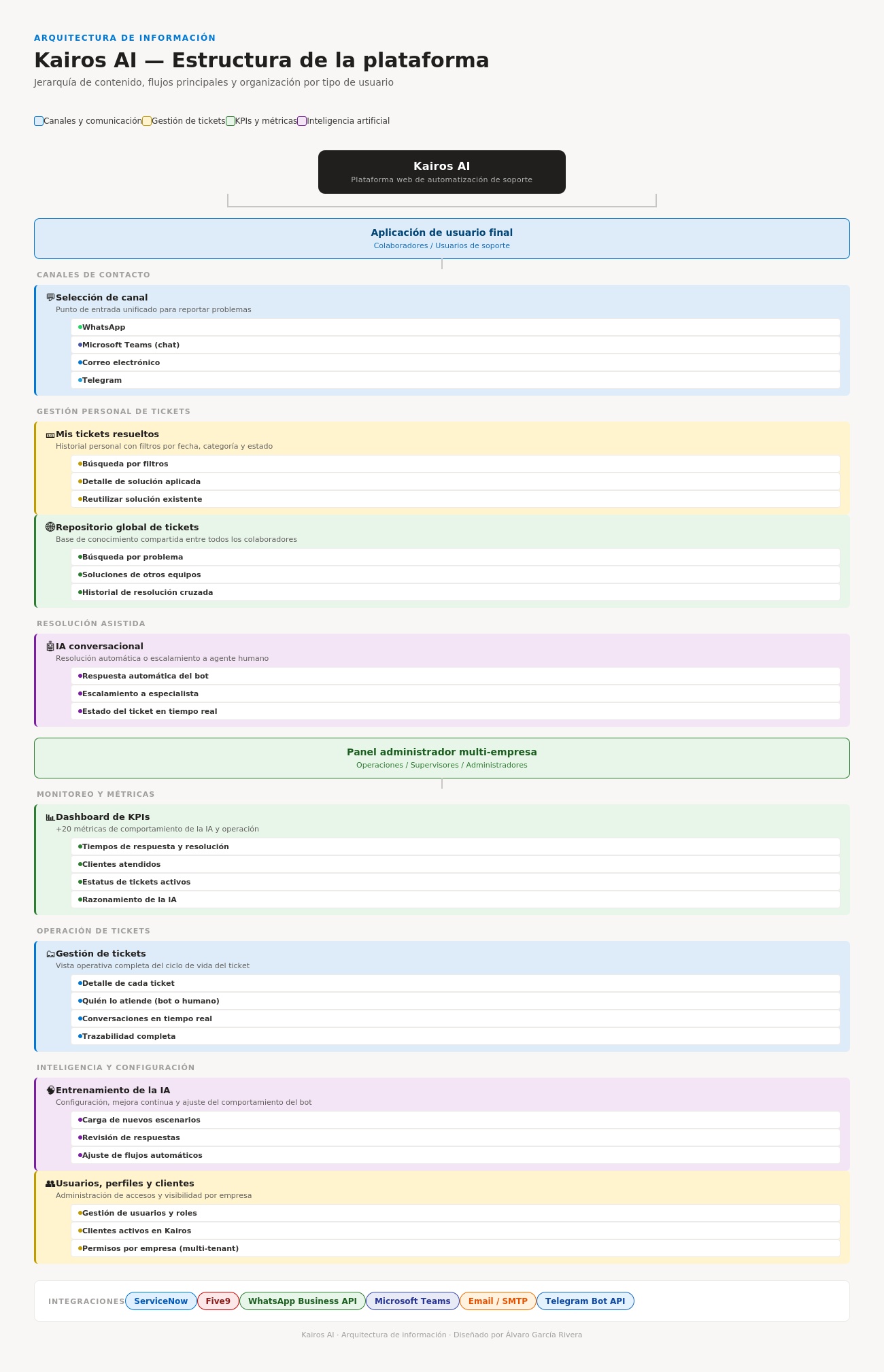
Kairos AI serves two core user types: end users who need fast, accessible support, and technical specialists who resolve and manage incoming tickets. The platform unifies four communication channels — WhatsApp, Microsoft Teams, email, and Telegram — under a single AI-powered interface that automates responses and escalates to human agents when needed.
Knowledge & Continuity
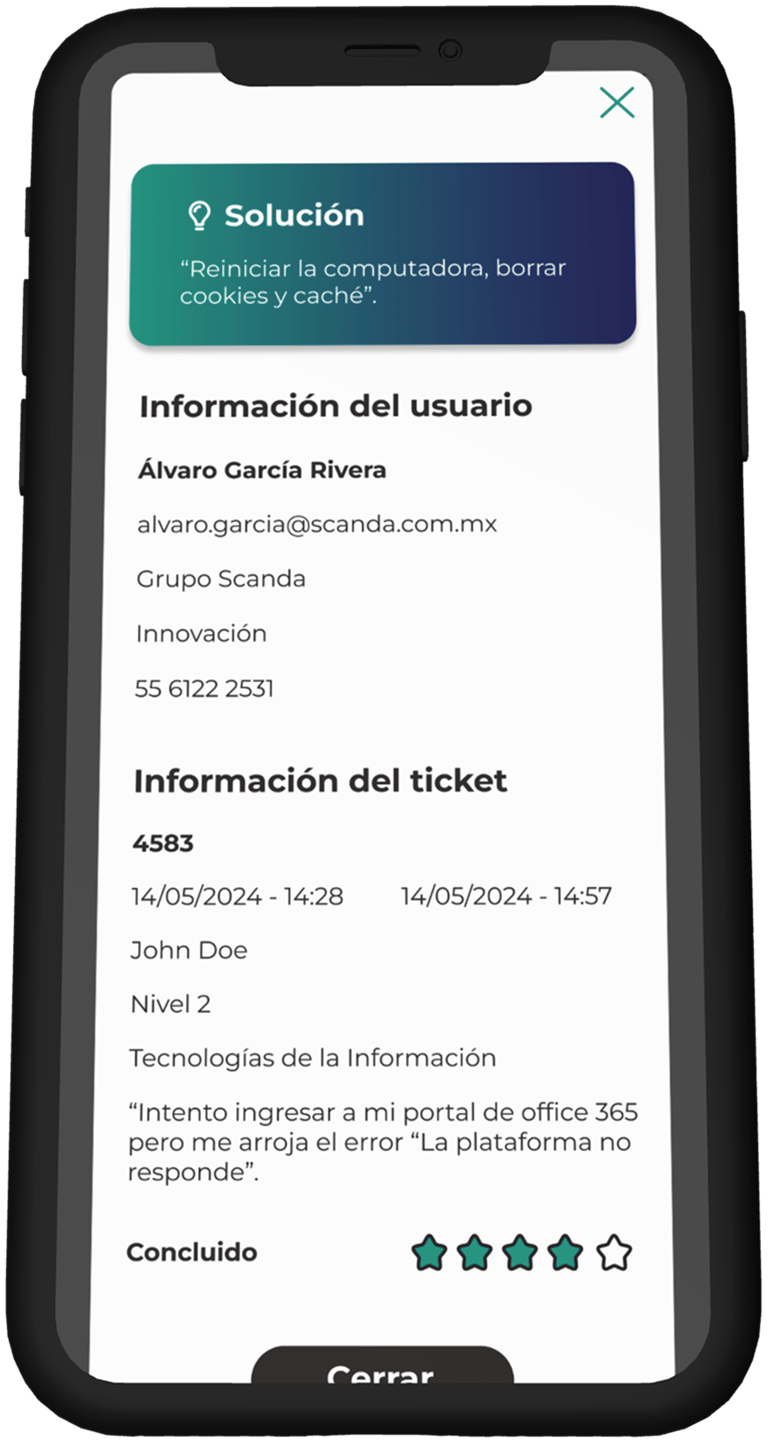
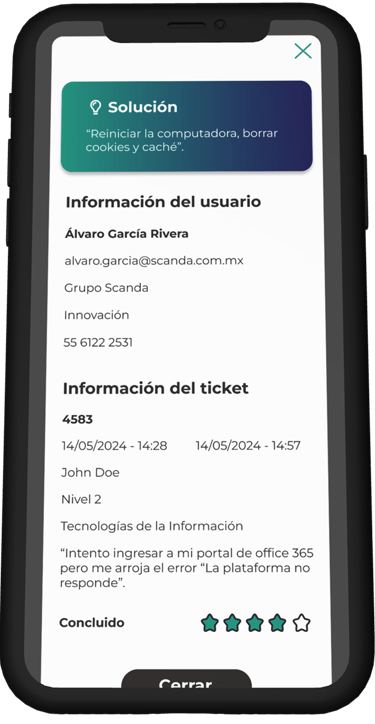
Users can access a personal log of resolved tickets to quickly reference past solutions, as well as a global ticket repository that enables cross-team knowledge sharing — reducing resolution time when a known issue resurfaces across the organization.
Operations & Intelligence
The multi-tenant admin panel gives operations teams full visibility and control: real-time conversation monitoring, bot training, user and profile management, client oversight, and 20+ behavioral KPIs — all designed to support data-driven decisions that improve service quality and reduce operational costs at scale.
Now let's do this... User Research
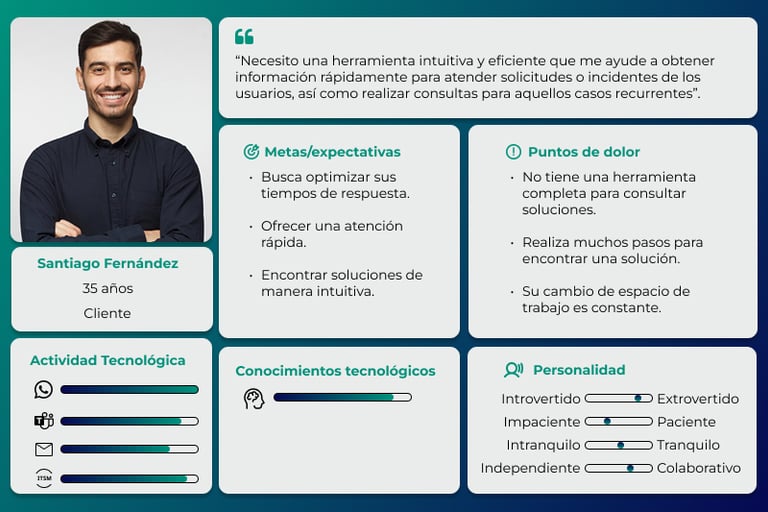
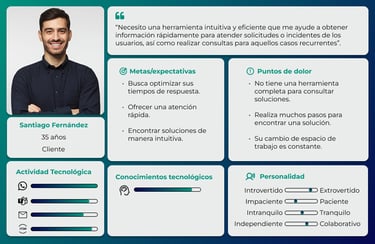
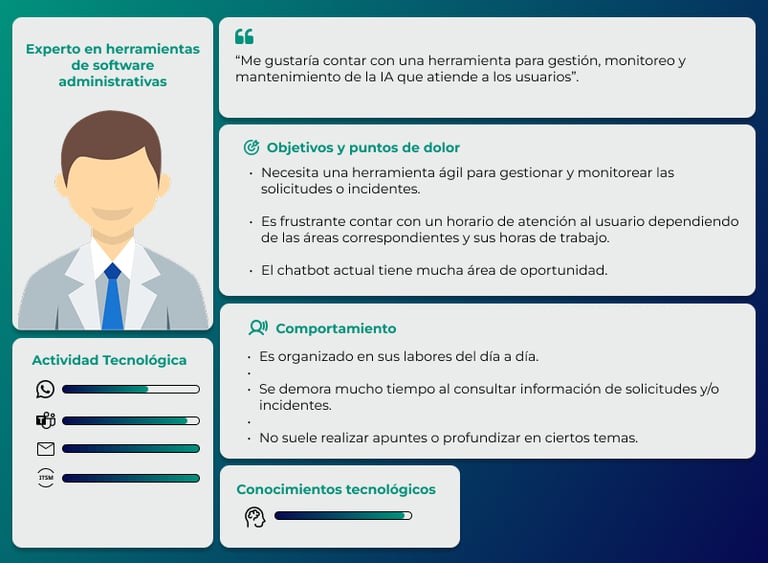
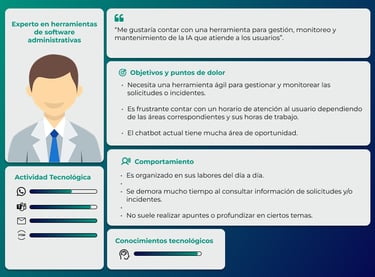
User Personas
Identifying the users that I will work with, Final User and Administrative User.
Usability discovery.
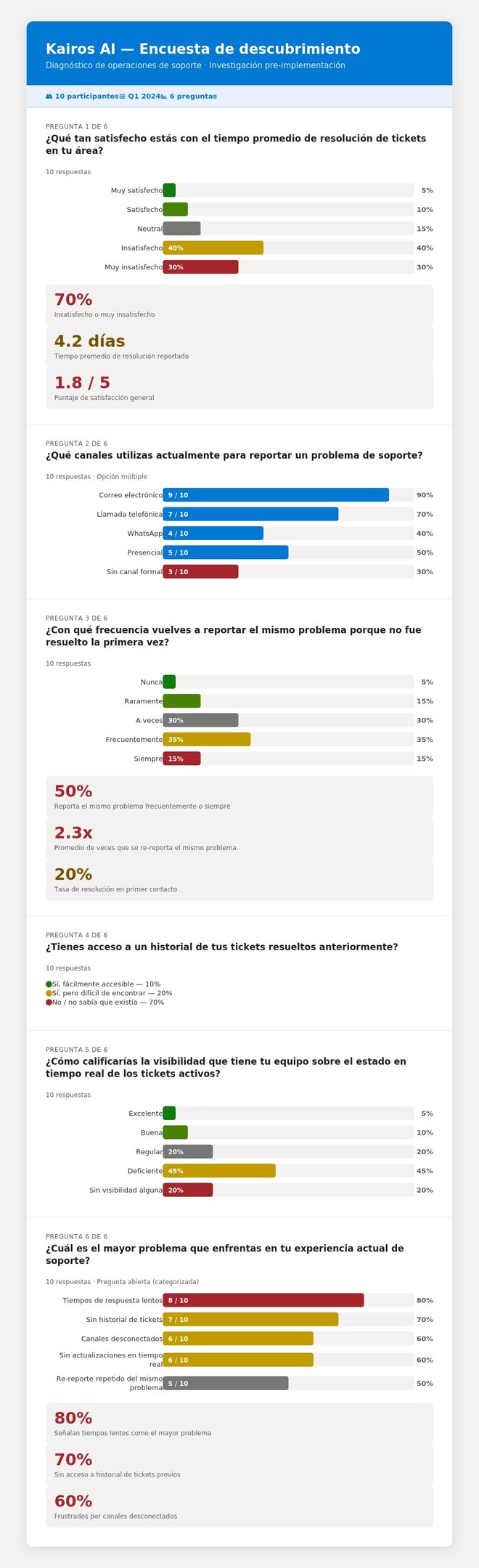
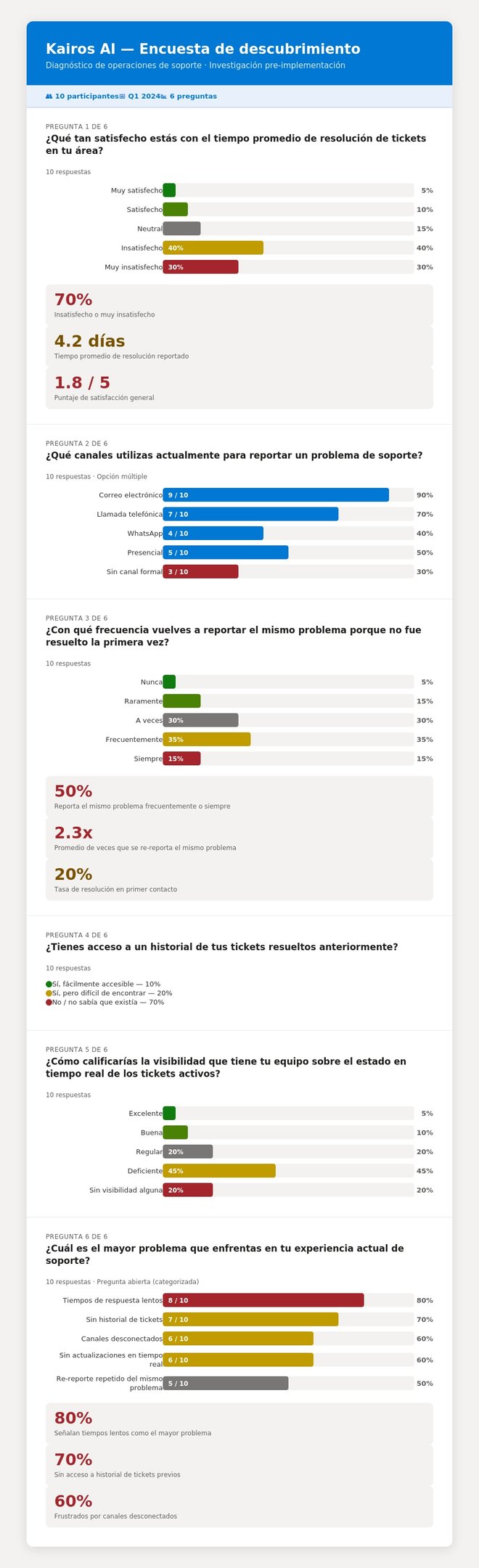
I created an interview with 6 strategics questions and 10 users in order to get to know the their needs, pain points and goals.
Information architecture.
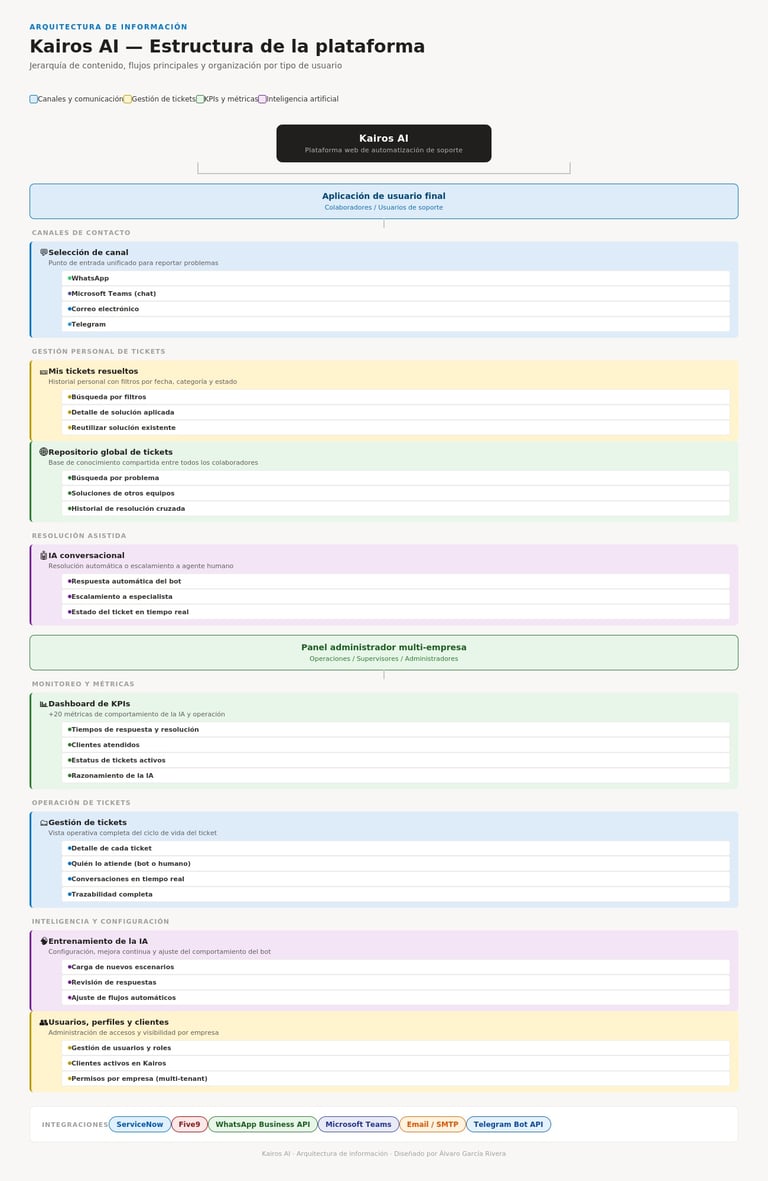
Once I presented this early results to the stakeholders, at this point, in this project in particular, I was able to started to create the architecture of the first wireframes, both final user and administration user.
Wireframes.
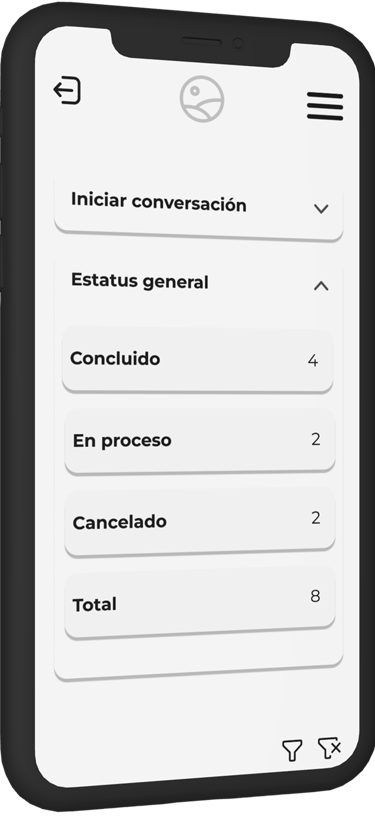
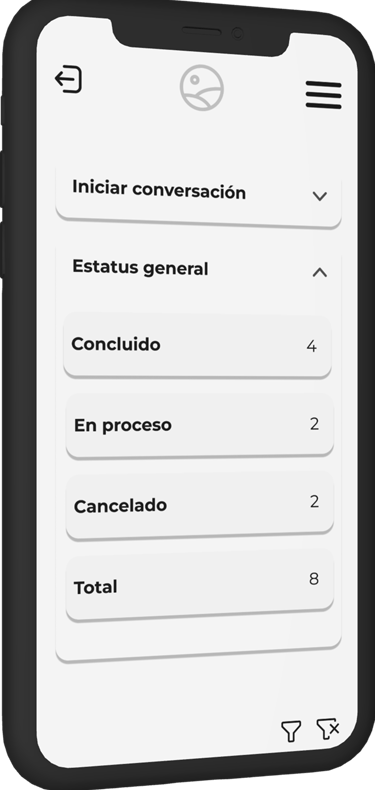
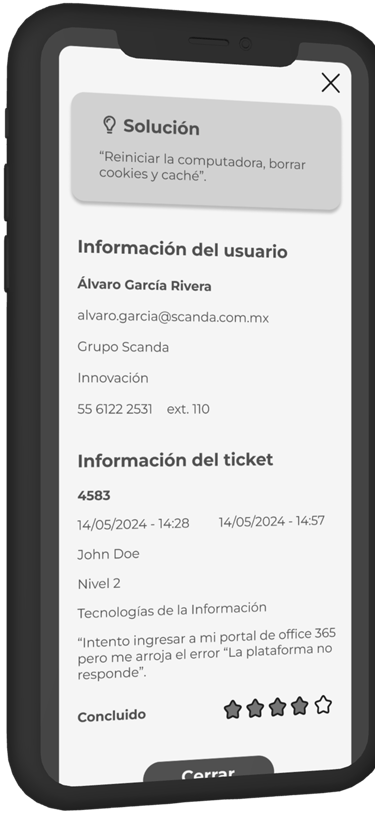
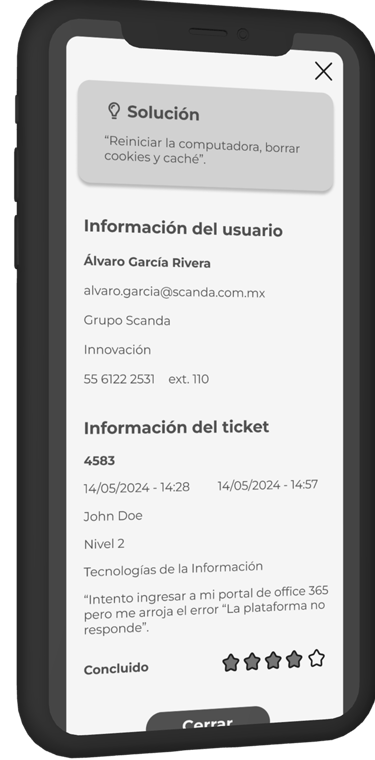
Based on the obtained insights, user patterns, affinity diagrams and journey maps, I started to create the first screens, starting with the final users.
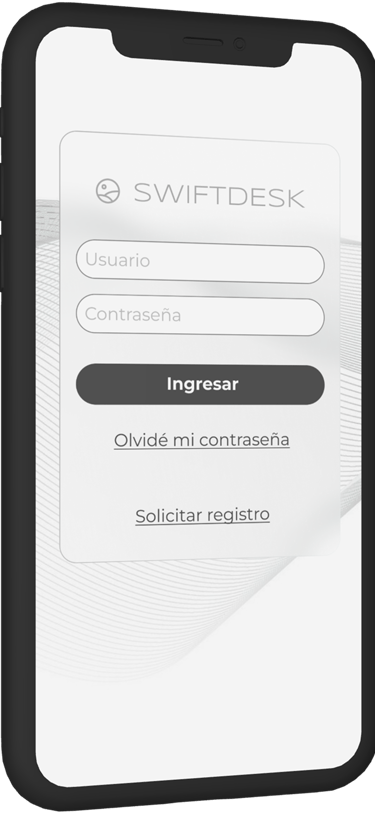
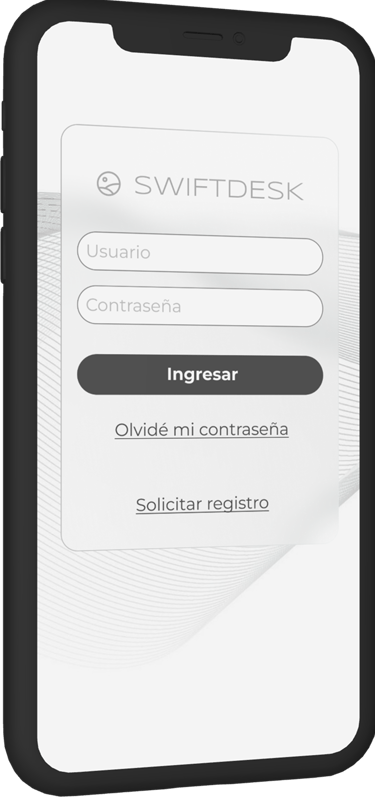
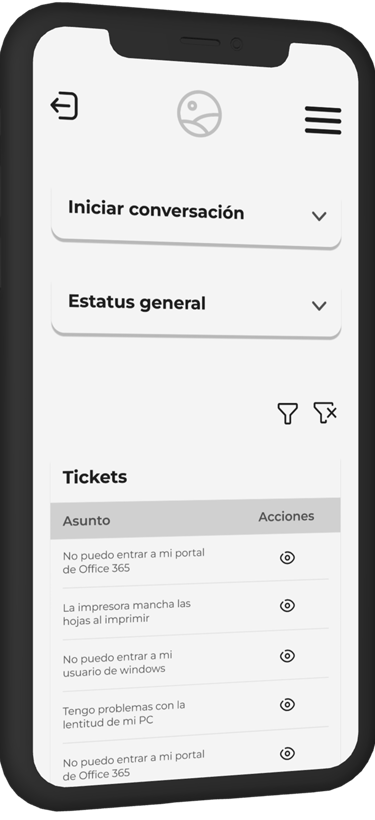
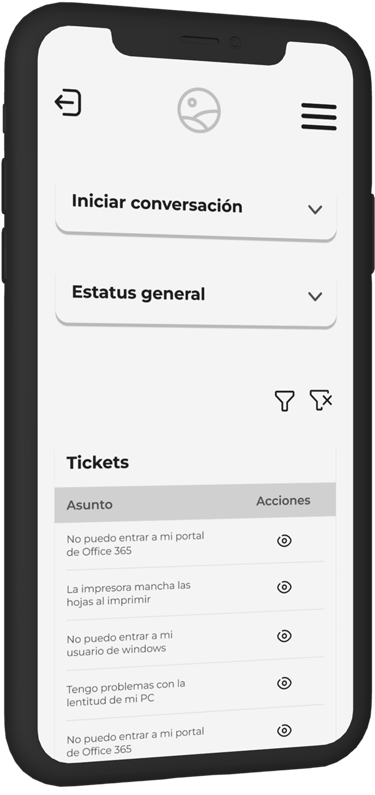
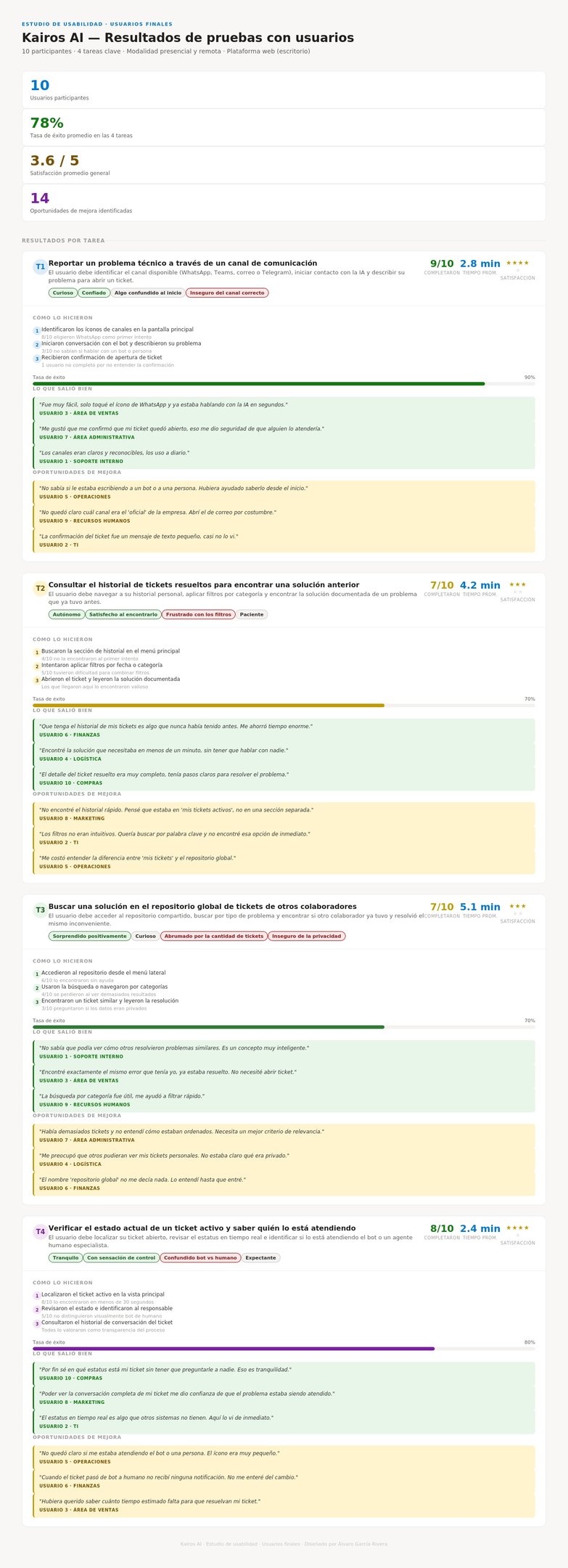
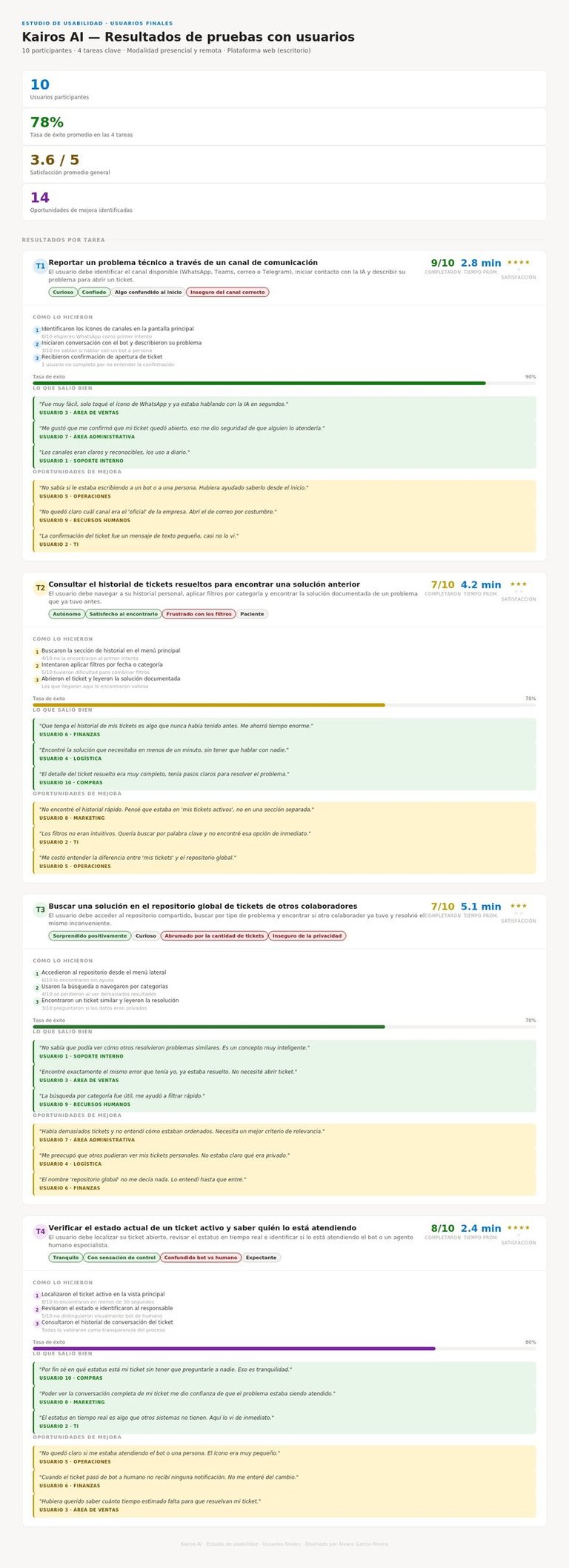
Usability testing V1.
With the first clickable Lo-Fi prototype, I conducted the first usability testings with 10 final users ignoring the "pretty" side of the project, only focusing on the functionality. The results were great.
Iterations and Hi-Fi Prototype.
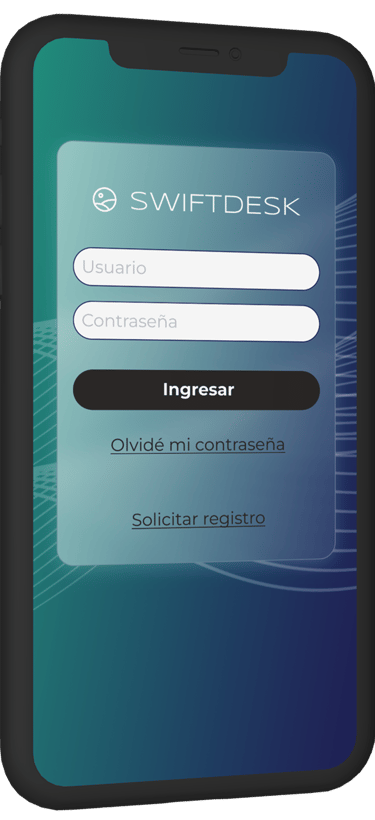
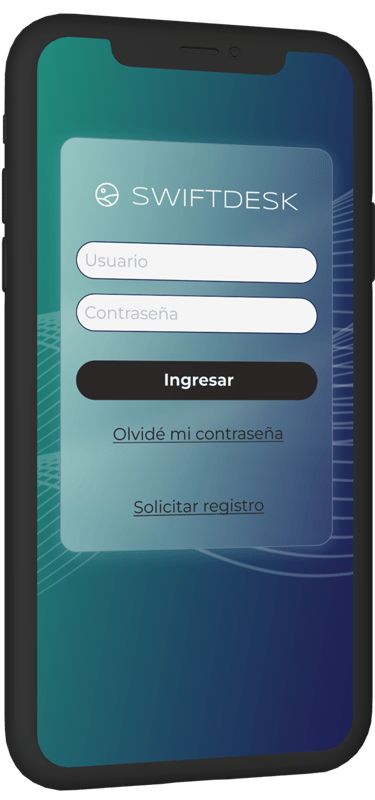
Once I made minor iterations based on the first usability study, I conducted a usability study V2 in order to get 100% of the KPI's of both qualitative and quantitative results, with this, I was able to create the Hi-Fi Prototype.
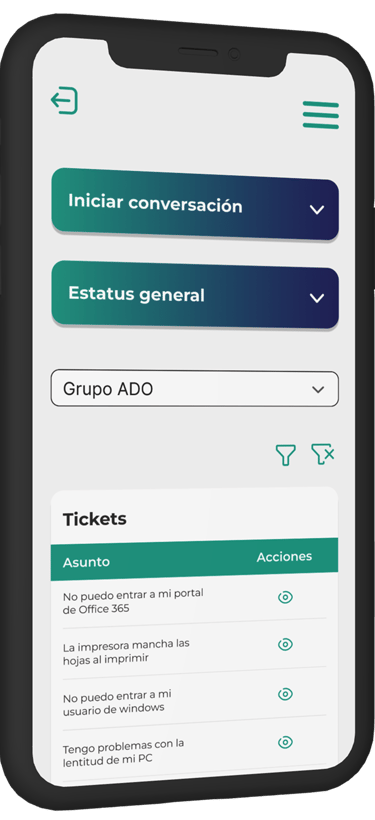
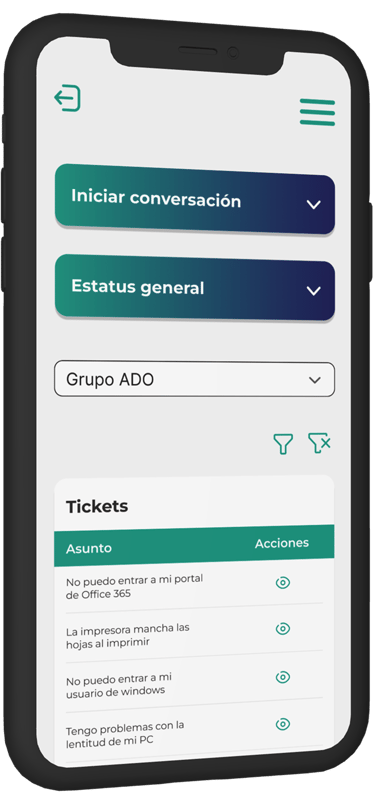
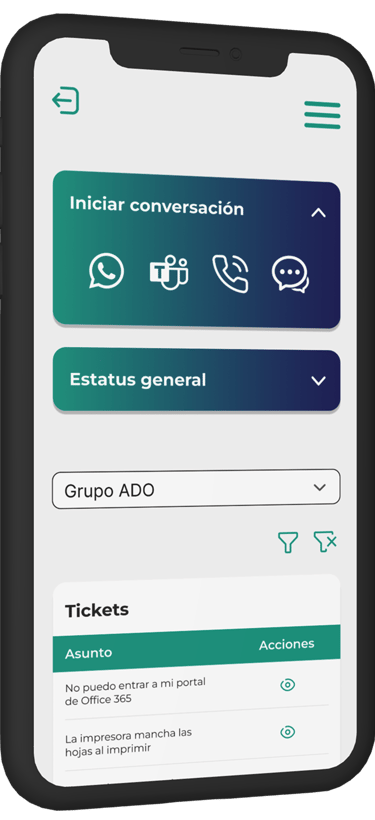
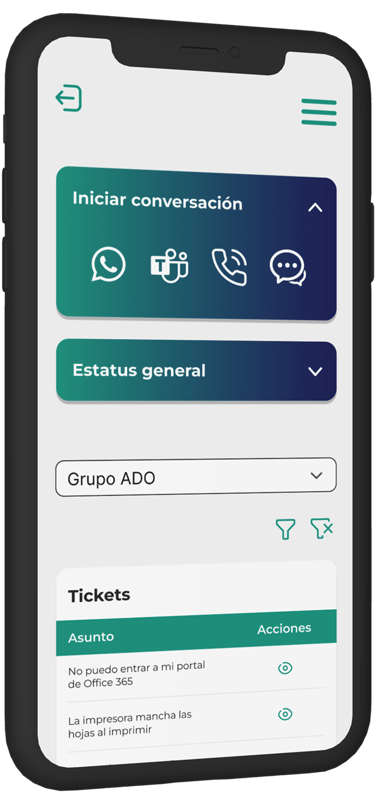
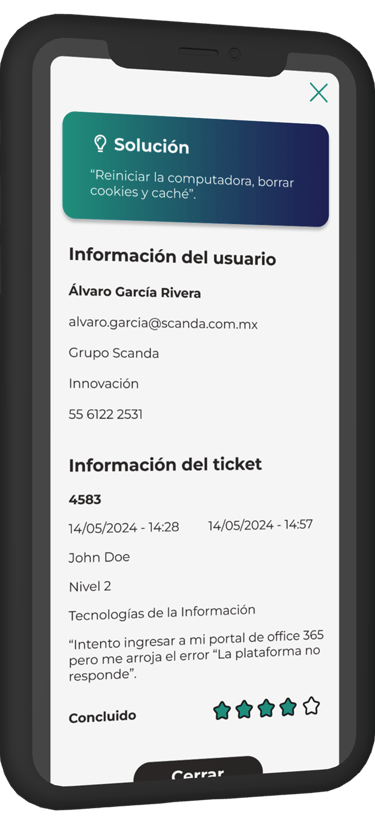
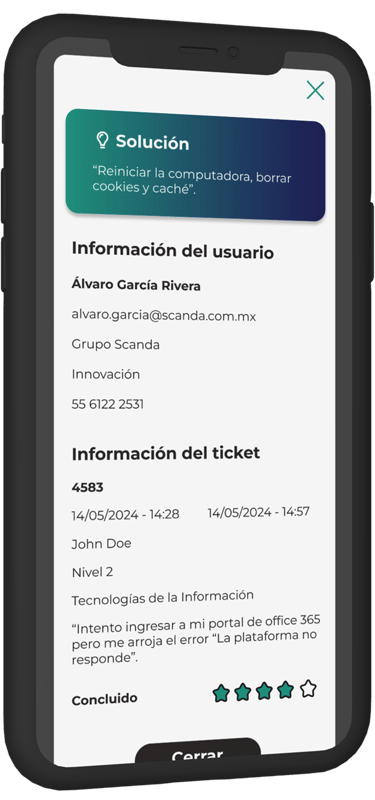
Wait... What happened with the Administrative User?
I made all the UX and UI processes equally with both users, different needs, same approach, this was the most optimal way to create the Hi-Fi Prototype and to present the final results to the stakeholders, including the CEO.
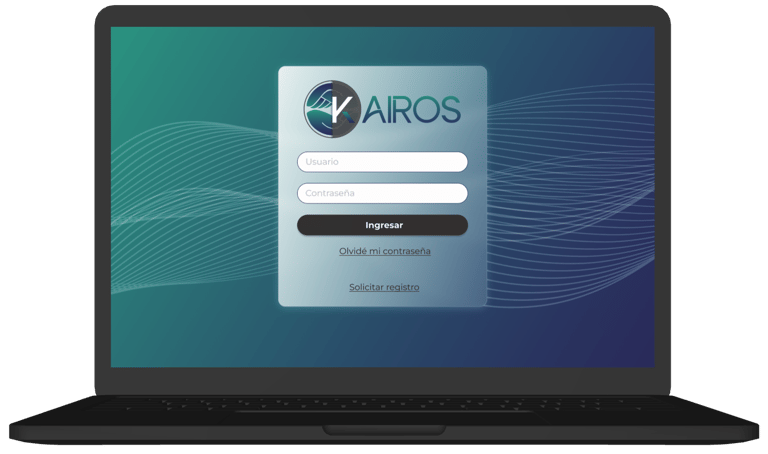
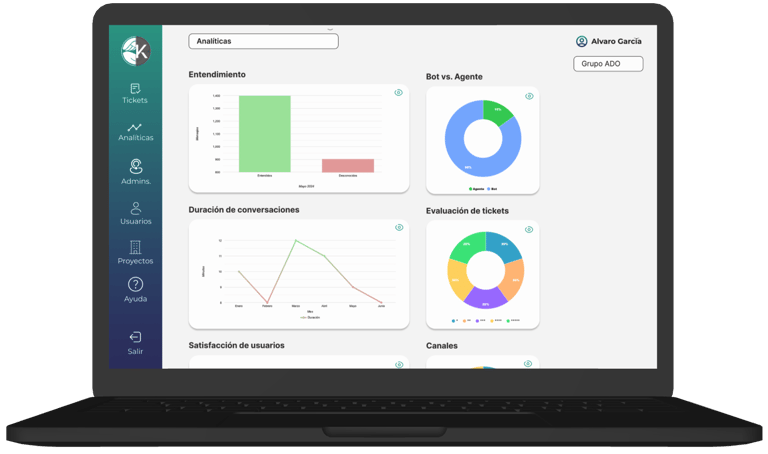
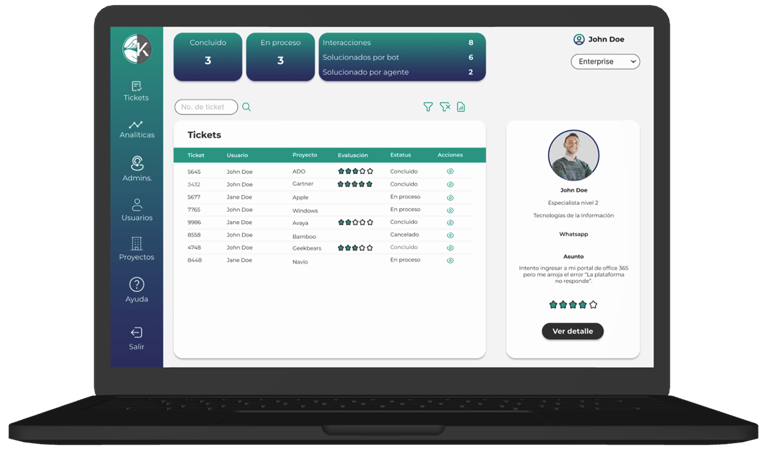
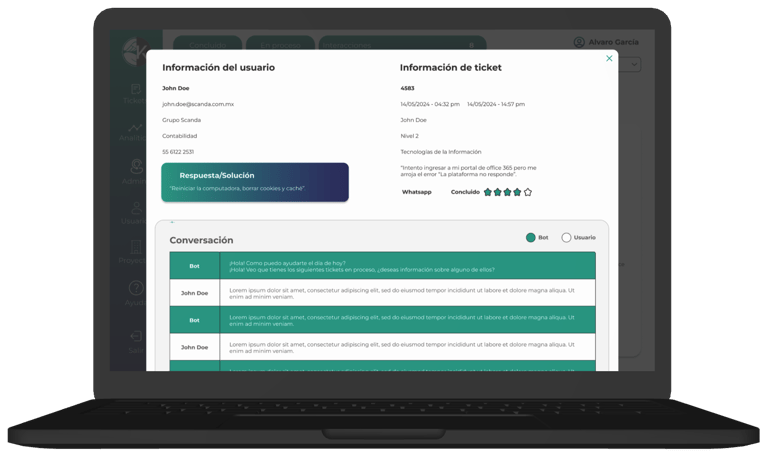
Final result, Hand-off and Design System.
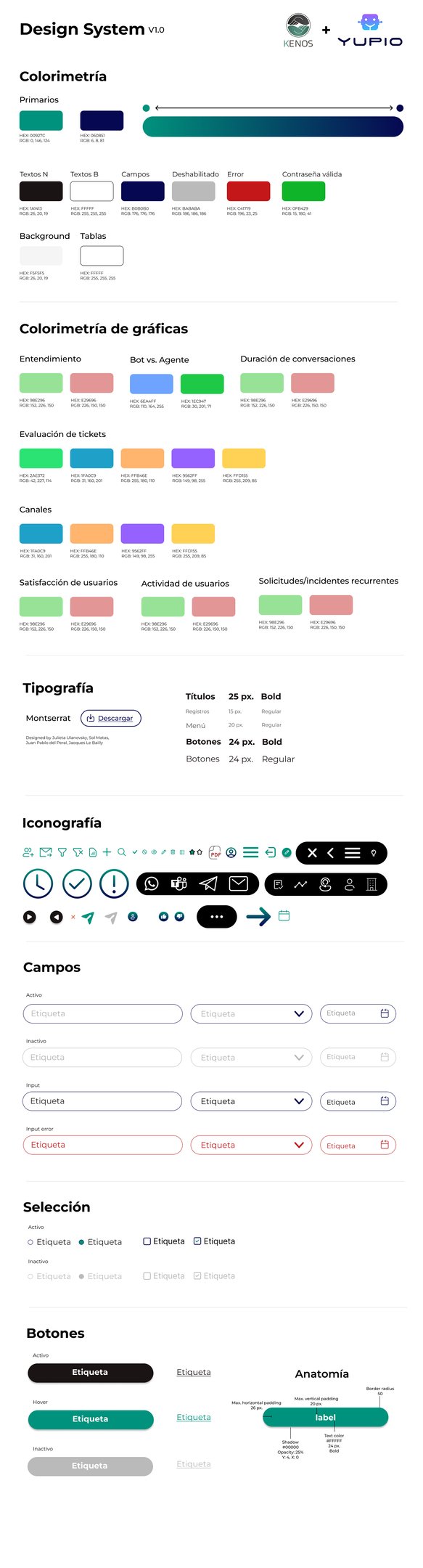
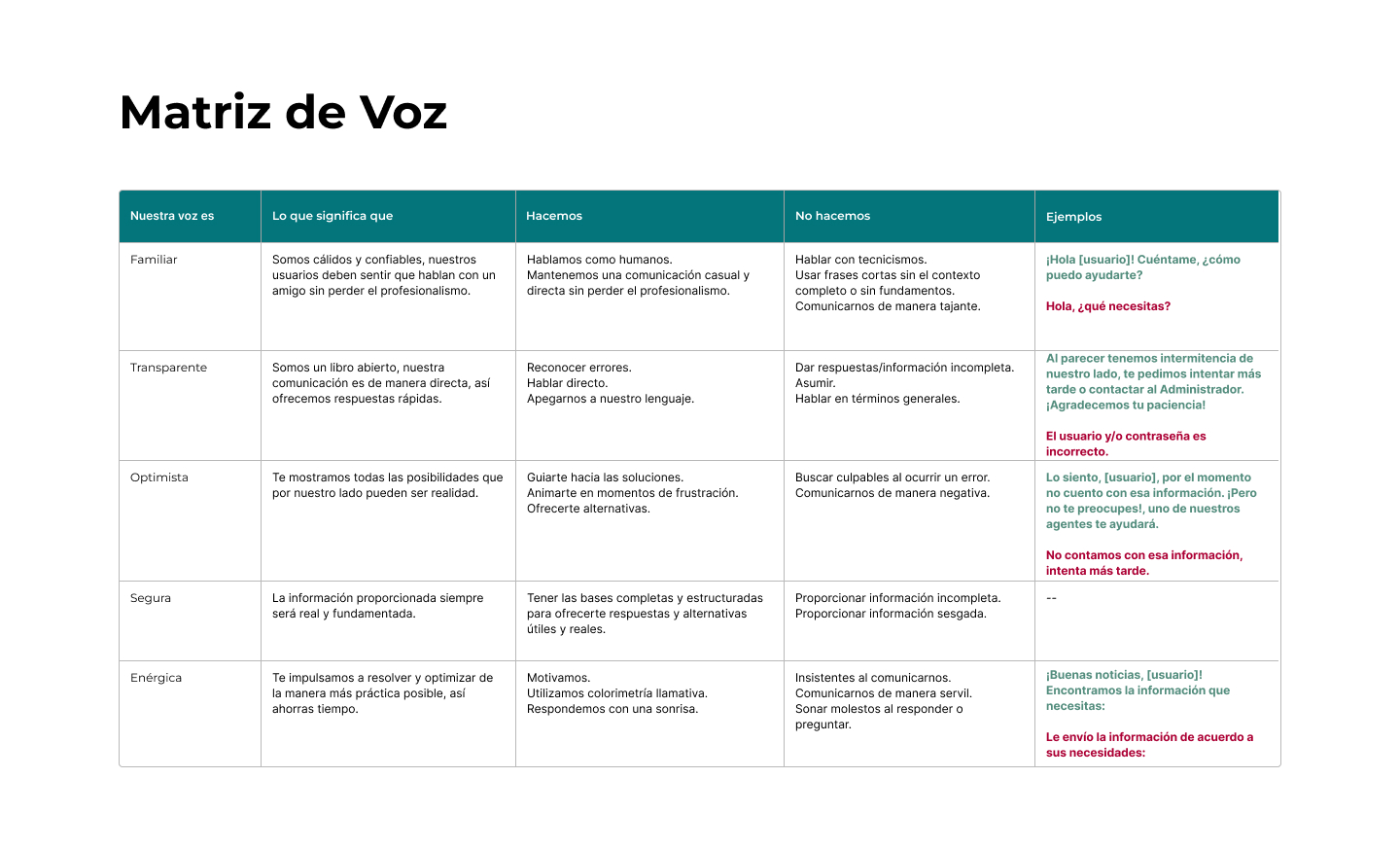
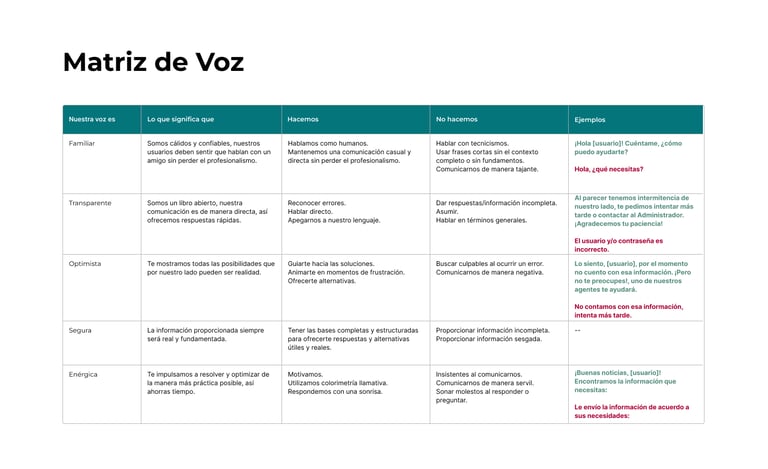
As a former full stack developer, the communication with the dev team was pretty smooth and clear on every phase of the project, once I made the hand-off, including the design system, voice and tone of the AI and present the final result to the stakeholders it was time to bring this baby to life!
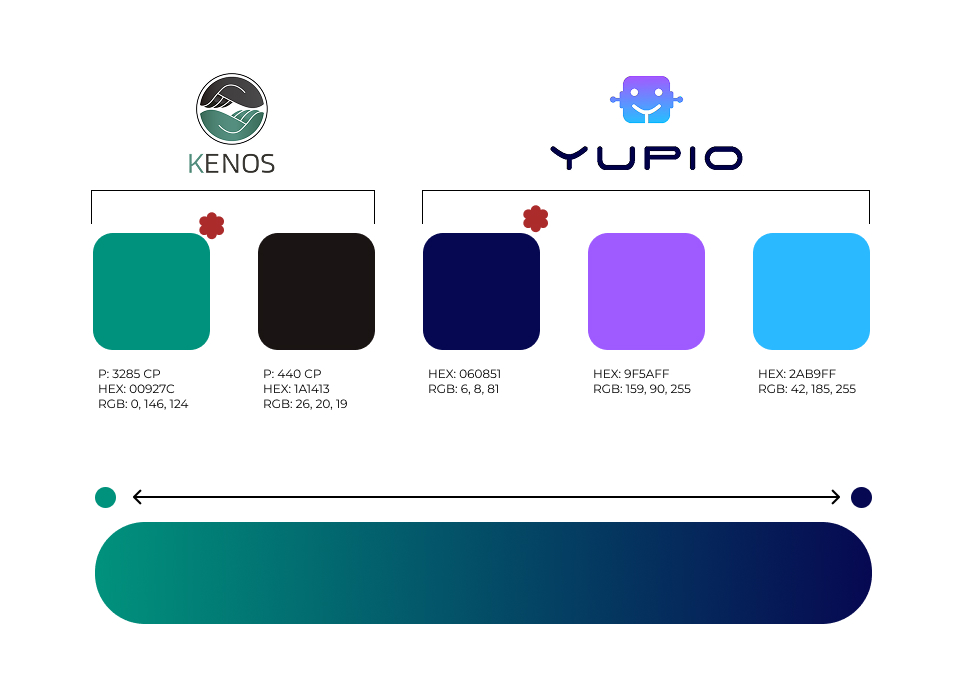

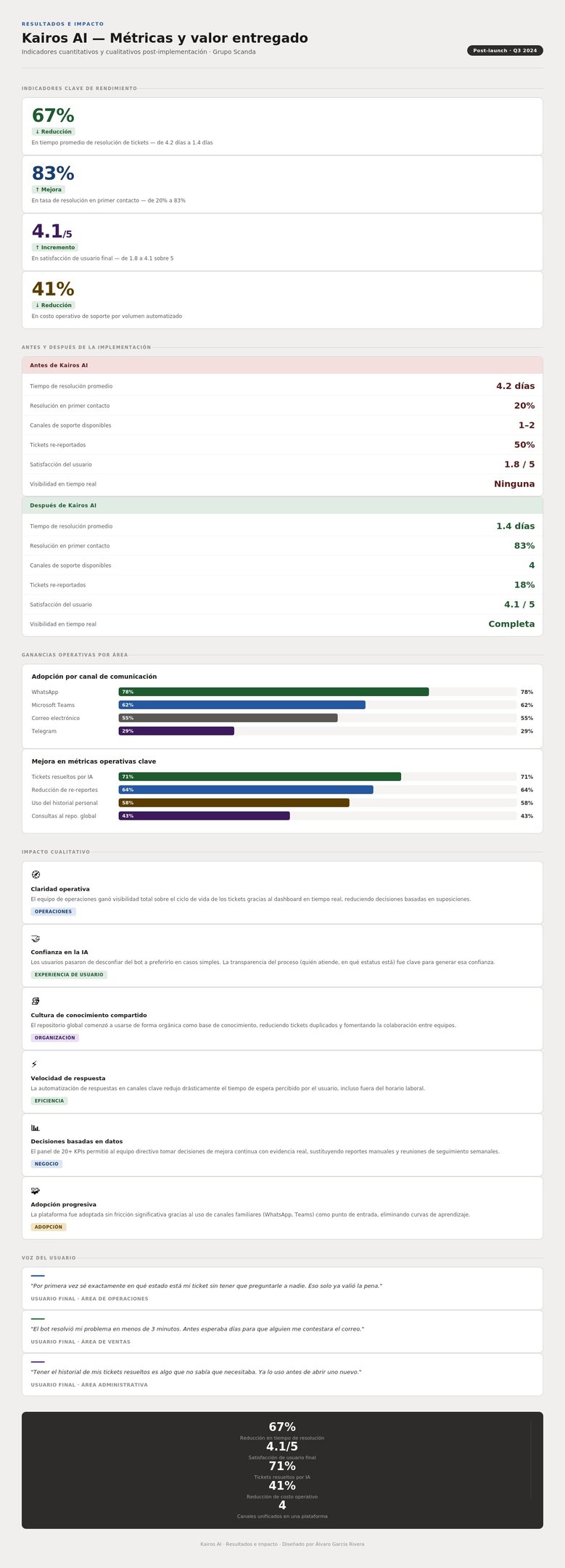
That's a wrap!
Once I presented the final results, including both qualitative and quantitative KPI's, impact to the business and operation of the company to the stakeholders, the product was ready for development.